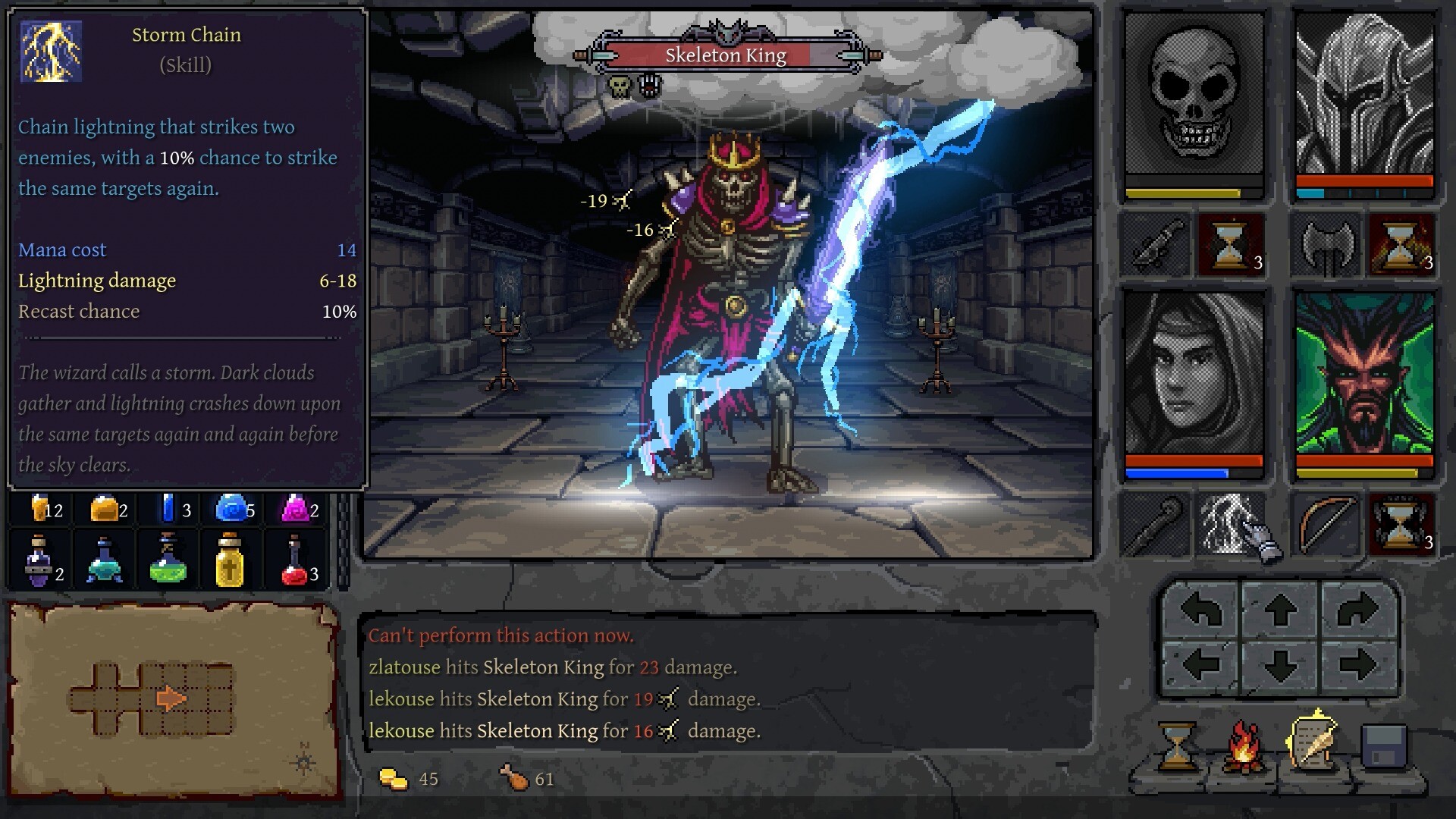
Start With Warrior, Paladin, Wizard, and Voidcaller
For a forgiving first run in Underkeep, put Warrior and Paladin in the front row, with Wizard and Voidcaller in the back row. The Warrior handles pressure and control, the Paladin adds durable melee support and Zeal-based healing, the Wizard supplies elemental damage, and the Voidcaller provides healing and barriers.
Choose this lineup when you want clear jobs and recovery options while you learn. Its durable melee characters give the front row a clear purpose, while the back row contributes elemental damage, healing, and barriers. Build around those roles before experimenting with a different balance of physical attacks and magic.
Starting Heroes, Races, and Stats
| Option | Details |
|---|---|
| Warrior — front row | Choose Dwarf or Stoneborn. Prioritize Strength and survival for a conventional melee tank, then inspect the chosen weapon's scaling and equipment requirements before finalizing the character. The Warrior's party role is absorbing pressure and controlling enemies. |
| Paladin — front row | Choose Human or Stoneborn. Build around a durable melee role with Strength and survival as priorities, while checking equipment requirements. The Paladin also brings Zeal-based healing, adding another recovery option alongside the Voidcaller. |
| Wizard — back row | Slugman is a practical starting pairing for Wizard. Prioritize Wisdom for this elemental damage role, and inspect weapon scaling and equipment requirements before committing to the character. |
| Voidcaller — back row | Slugman is a practical starting pairing for Voidcaller. Prioritize Wisdom and check equipment requirements. Its place in the recommended party is built around dependable healing and barriers, complementing the Paladin's recovery support. |
Use these pairings as a starting plan for character creation. Your chosen weapon's scaling and equipment requirements still matter when you finalize a hero. Keep stat priorities tied to the role you want that character to perform.
Compare Defense, Physical Damage, and Magic Support
| Option | Details |
|---|---|
| Defensive party | Front: Warrior and Paladin. Back: Wizard and Voidcaller. This lineup combines armor, Lay on Hands, Void Mend, and spells, keeping durable melee characters and healing in the plan while the Wizard supplies elemental damage. |
| Physical damage party | Front: Warrior and Thief. Back: Ranger and Blood Mage. This party uses marks and bleeding for offense but has no dedicated healer. Carry recovery potions, and remember that back-row melee attacks still require Reach weapons. |
| Magic support party | Front: Paladin and Thief. Back: Voidcaller and Wizard. This alternative keeps two sources of healing while the Wizard handles resistant or grouped enemies. Back-row melee attacks still require Reach weapons. |
Start with the defensive option if its healing coverage suits you. Choose the physical lineup when you want marks and bleeding to drive your offense and are comfortable planning around recovery potions. Choose the magic support alternative when you want Paladin and Voidcaller recovery alongside the Wizard's damage against resistant or grouped enemies.
Stats for Thief, Ranger, and Blood Mage
Raven is a practical Thief pairing, while Elk is a practical Ranger pairing. Dexterity is the starting priority for both roles. If you choose the physical damage lineup, use those priorities as the starting point for creating its Thief and Ranger.
Blood Mage calls for a different plan: prioritize Endurance and keep enough Wisdom to equip later blood-magic gear. Check those equipment requirements when deciding how to assign stats. The chosen weapon's scaling and requirements should guide your final choices for every character.
Use the Recommended Party in Combat
- Put Warrior and Paladin in front, with Wizard and Voidcaller behind them. This establishes the defensive formation before you decide how each character will contribute.
- Check your back-row weapons for Reach before relying on melee attacks. A quarterstaff has Reach, giving a magic user a weapon option from the back row.
- Use the Warrior to handle pressure and control enemies. That puts the character in its intended role while the rest of the party contributes damage or recovery.
- Let the Paladin contribute durable melee support. Keep its Zeal-based healing in mind as another recovery option alongside the Voidcaller's healing and barriers.
- Use the Wizard for elemental damage. In the magic support lineup, use that damage against resistant or grouped enemies while Paladin and Voidcaller provide healing options.
- Reassess the party's recovery needs as combat develops. The defensive lineup combines Lay on Hands and Void Mend, so consider those options when deciding between damage and healing.
- Backtrack to an enemy-free corner when you need to rest after a fight. Use that recovery stop between encounters before continuing your exploration.
When the Opening Fights Feel Too Hard
At Level 1, lean on weapons for most battles rather than expecting skills to dominate your damage. Recheck that everyone in the back row has a weapon usable from that position. A Reach weapon, such as a quarterstaff, can give a magic user a useful weapon attack from the back row.
In the tunnels, pull back when it helps limit how many enemies are fighting you at once. Rest between fights, backtracking to an enemy-free corner when necessary. Try these adjustments alongside the party setup before deciding that you need a different hero.